A tooth can become weakened for many reasons. A large filling, decay, a crack, previous root canal treatment or general wear may leave less healthy tooth structure available to cope with everyday biting and chewing.
In some situations, repairing only the damaged section may not provide enough support. A dentist may then discuss a dental crown as one option for restoring and protecting the tooth.
At Bittern Dental, crowns form part of the restorative and prosthetic dental care available to patients in Bittern and surrounding Mornington Peninsula communities. (Bittern Dental)
What is a dental crown?
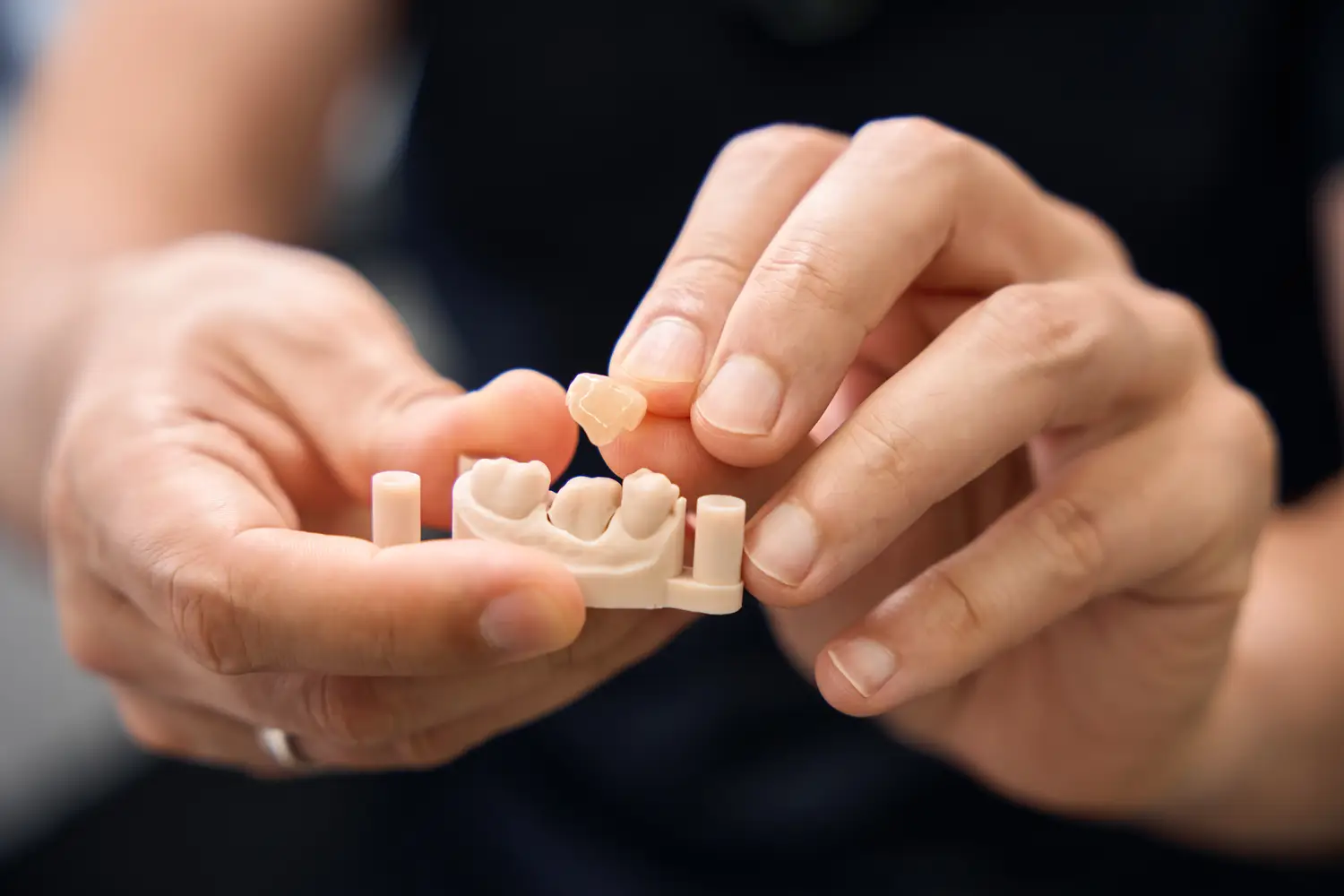
A dental crown is a custom-made restoration that covers the visible portion of a tooth.
Rather than filling only a small cavity or damaged area, a crown surrounds the tooth to help restore its shape, strength and function. Crowns can be made from different dental materials, and the appropriate option depends on factors such as the tooth being treated, the amount of remaining tooth structure and the forces placed on the tooth when you bite.
Your dentist can assess these factors before recommending a particular restoration.
When might a crown be recommended?
Not every damaged tooth requires a crown. Smaller areas of decay or damage may sometimes be repaired with a filling or another restoration.
A crown may be considered when a tooth has become significantly weakened, fractured or heavily restored.
For example, your dentist may discuss a crown when there is a large existing filling and relatively little natural tooth remaining. A crown may also be considered for some cracked or worn teeth, or following certain root canal treatments where additional protection of the tooth is appropriate.
The decision depends on the condition of the individual tooth rather than one rule applying to every patient.
What happens before getting a crown?
Before recommending treatment, your dentist will examine the tooth and surrounding tissues.
Dental X-rays may also be required to assess areas that cannot be seen during a visual examination. Your dentist will consider the extent of any decay or damage, the health of the tooth and whether it can be predictably restored.
If a crown is suitable, the tooth generally needs to be prepared so the restoration can fit securely over it. An impression or digital scan may then be taken so the crown can be made to fit your tooth and bite.
Your dentist will explain the specific process before treatment begins.
How long does a dental crown last?
There is no single lifespan that applies to every crown.
How long a restoration remains serviceable can depend on the material used, its position in the mouth, your bite, oral hygiene, diet and habits such as grinding or clenching.
The natural tooth underneath a crown can also still be affected by decay or gum problems. Good brushing, cleaning between the teeth and regular dental examinations therefore remain important after a crown has been placed.
Looking after a crowned tooth
A crowned tooth generally needs the same consistent oral hygiene as your natural teeth.
Brush twice daily with fluoride toothpaste and clean carefully between the teeth. Pay particular attention to the area where the crown meets the gumline, as plaque can accumulate around restoration margins.
You should also tell your dentist if a crown begins to feel loose, uncomfortable or different when you bite.
Regular dental reviews allow both the crown and the supporting tooth to be monitored over time.
Crown, filling or another restoration?
The appropriate restoration depends on how much of the tooth has been affected.
A relatively small cavity may be suitable for a filling, while teeth with greater structural damage may require another restorative approach. Bittern Dental also provides restorative options including implant crowns and inlays and onlays, depending on individual circumstances. (Bittern Dental)
Your dentist can explain the available options, including the advantages and limitations relevant to your tooth.
Final thoughts
A dental crown can be one option for restoring a tooth that no longer has enough strength or structure for a smaller repair. However, whether a crown is appropriate can only be determined after examining the tooth.
If you have a cracked, heavily filled or damaged tooth, contact Bittern Dental to arrange an assessment. Our team can examine the area and discuss suitable restorative options based on your individual dental needs.