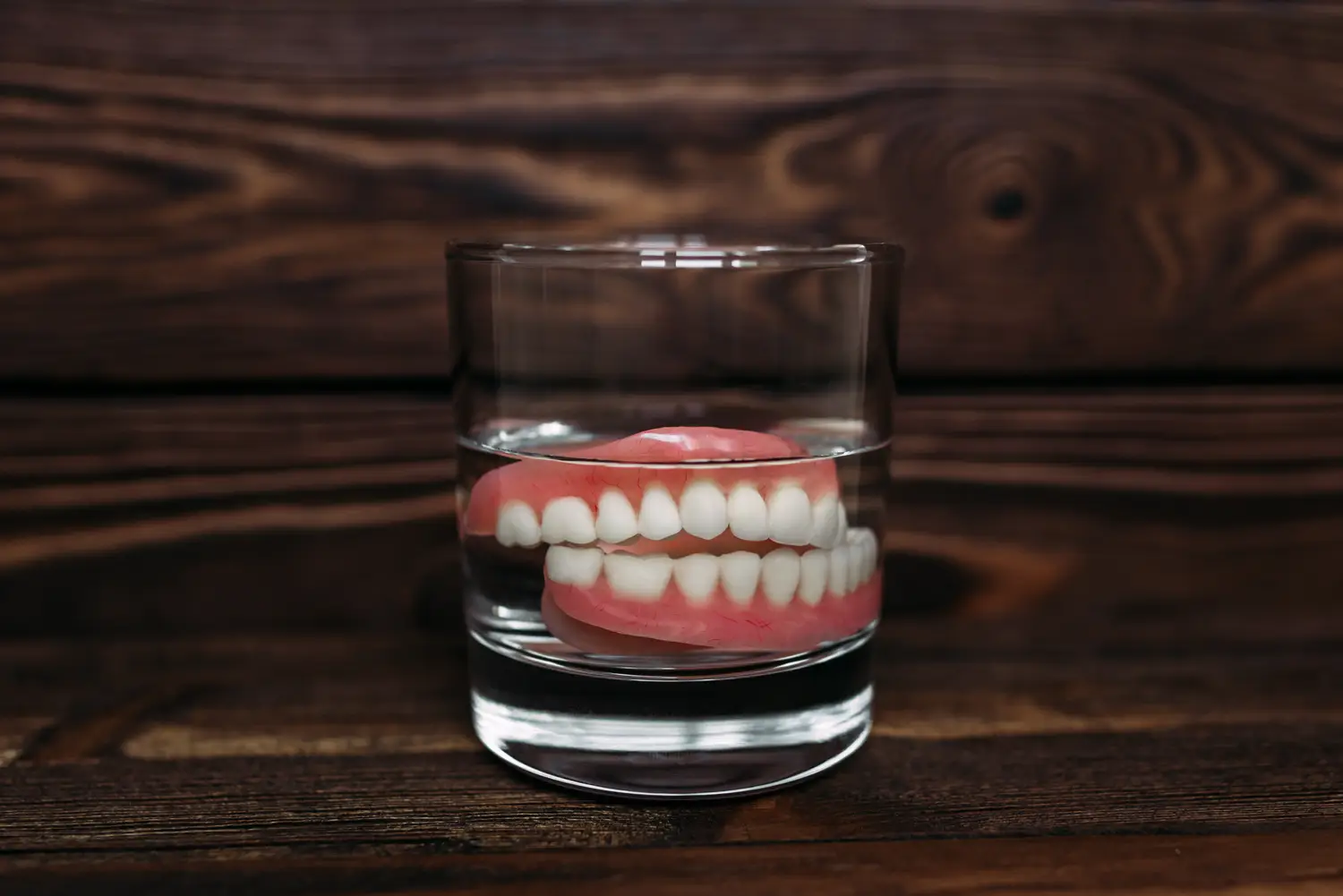
Losing one or more teeth can affect more than the appearance of your smile. Depending on which teeth are missing, it may also change how you bite, chew or speak.
There are several ways of replacing missing teeth, and dentures remain one option that may be considered when multiple teeth or all teeth in an arch, need replacement.
Bittern Dental provides both prosthetic and restorative dental care, including dentures, for patients in Bittern and across the surrounding Mornington Peninsula. (Bittern Dental)
What are dentures?
Dentures are removable dental appliances designed to replace missing teeth and surrounding tissues.
They are made to fit the individual shape of a patient's mouth and can be designed to replace either some or all missing teeth.
Modern dentures may use different materials depending on the type required and the patient's individual dental situation.
Full dentures and partial dentures
The two broad categories are full dentures and partial dentures.
A full denture replaces all of the natural teeth in the upper or lower arch.
A partial denture is used when some healthy natural teeth remain. It fills the spaces created by missing teeth and uses the remaining teeth or other supporting structures to help keep the appliance in position. Bittern Dental currently provides both complete and partial denture options. (Bittern Dental)
Which type is suitable depends on how many teeth are missing and the condition of the remaining teeth and gums.
What is it like getting new dentures?
Dentures are individually made, so several stages may be involved before the final appliance is ready.
Your dentist first assesses your teeth, gums, bite and oral tissues. Impressions or scans may be taken to help create a denture suited to the shape of your mouth.
Once fitted, the denture may require adjustments as you begin wearing it.
It is important to remember that new dentures can feel unfamiliar initially. Your lips, cheeks and tongue need time to adapt to the appliance, particularly if you have not previously worn dentures.
Is there an adjustment period?
Yes. Some people notice temporary changes to speaking, chewing or saliva when they first begin wearing dentures.
You may initially prefer softer foods while learning how to chew comfortably with the new appliance. Speaking aloud at home can also help you become accustomed to forming words while wearing it.
Bittern Dental notes that it can take several weeks for new dentures to begin feeling more natural and that some initial irritation or soreness can occur while the mouth adjusts. (Bittern Dental)
Persistent pain or significant rubbing, however, should be assessed rather than simply tolerated.
How should dentures be cleaned?
Dentures need daily cleaning even though they cannot develop tooth decay themselves.
Food particles, plaque and bacteria can still collect on their surfaces. Your gums, tongue and any remaining natural teeth also require regular cleaning.
Follow the cleaning and storage instructions provided for your particular denture, as materials can vary.
Regular dental appointments remain important too. Your dentist is not only checking the denture, they can also assess the health of the gums, soft tissues and remaining teeth.
Do dentures need to be replaced?
A denture that once fitted comfortably may begin to feel different over time.
The shape of the gums and jaw can gradually change following tooth loss. Normal wear can also affect the denture itself.
This means adjustments, relining or eventual replacement may sometimes be necessary.
If your denture becomes loose, repeatedly causes sore areas or makes eating increasingly difficult, arrange a dental review rather than trying to modify it yourself.
Are dentures the only way to replace missing teeth?
No. Depending on the number and position of missing teeth, other options may include a dental bridge or implant-based treatment.
Each approach has different considerations, and not every option is appropriate for every patient.
Bittern Dental's prosthetic dentistry services include dentures, crowns and bridges, allowing the dentist to discuss suitable options following an assessment. (Bittern Dental)
Final thoughts
Replacing missing teeth is an individual decision, and the right approach depends on your oral health, remaining teeth, preferences and treatment goals.
If you're considering dentures or would like to discuss replacing missing teeth, contact Bittern Dental to arrange an assessment. Your dentist can examine your mouth and explain the options that may be suitable for you.